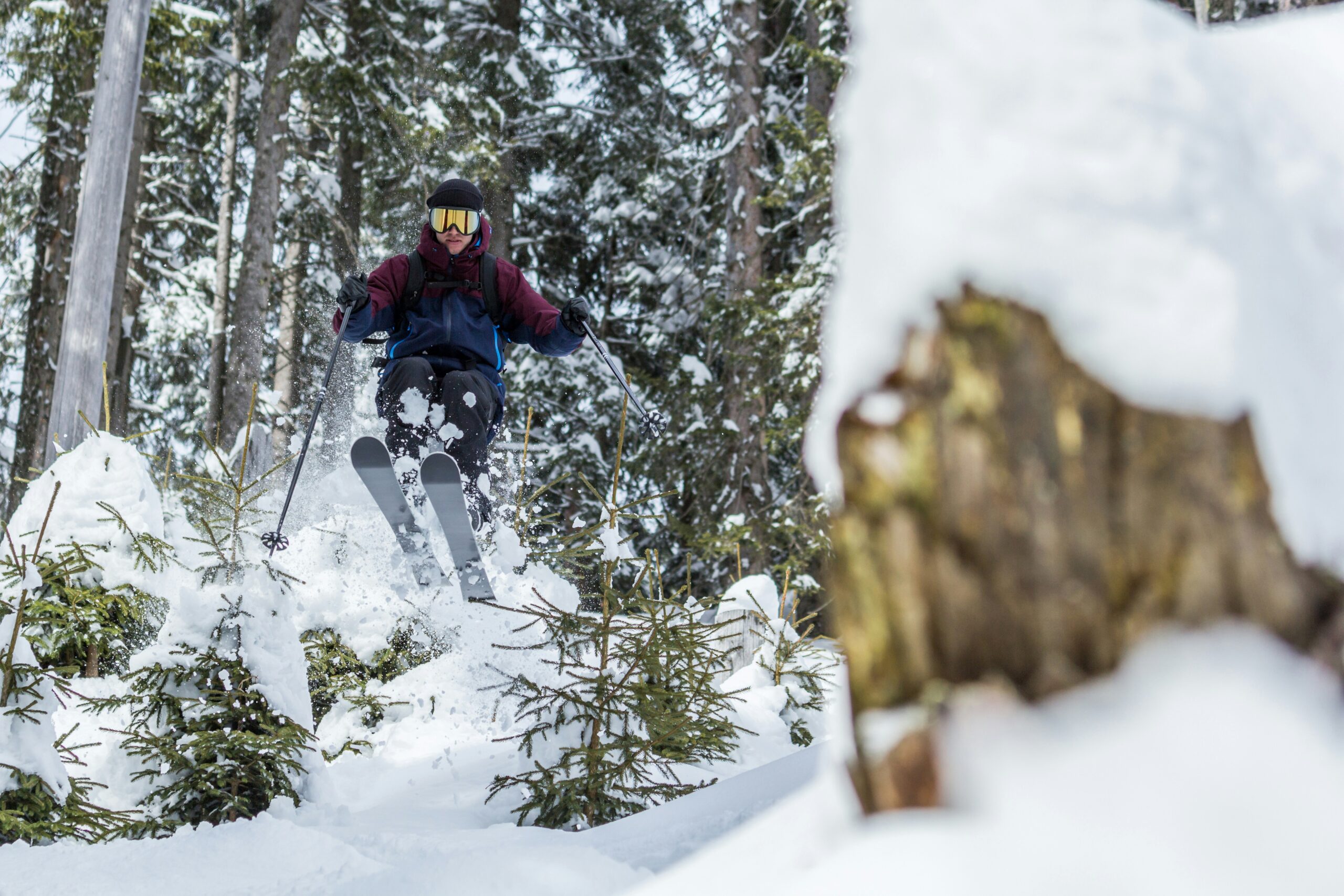
Snow skiing is an exciting winter sport that blends adventure, skill, and breathtaking mountain scenery. For beginners, stepping onto the slopes for the first time can feel both thrilling and intimidating. With the right mindset and preparation, however, learning to ski becomes an enjoyable and rewarding experience.
This guide covers essential tips to help beginners build confidence, stay safe, and improve quickly. From choosing the right gear to understanding basic techniques, you will gain the foundation needed to start your skiing journey with ease.
Choosing the Right Ski Gear
Getting the proper equipment is the first step toward a successful skiing experience. Beginners should prioritize comfort and functionality over style. Well-fitted ski boots are especially important because they provide control and support. Renting equipment is often a smart option for first-timers, allowing you to test different gear without a large upfront investment.
In addition to skis and boots, appropriate clothing is key. Dress in layers to stay warm and dry, and always wear waterproof outerwear. Gloves, goggles, and a helmet are essential for safety and comfort. A helmet is particularly important for beginners, as it reduces the risk of injury while learning.
Understanding Basic Ski Techniques
Before heading down the slopes, it is important to learn the fundamental movements of skiing. The snowplow, also known as the pizza position, is the most basic technique for controlling speed. By pointing the tips of your skis inward and keeping your heels apart, you can slow down and maintain balance.
Turning is another essential skill that builds on the snowplow technique. Beginners should practice shifting their weight gently from one foot to the other to guide their direction. Taking lessons from a professional instructor can significantly accelerate learning, as they provide structured guidance and immediate feedback.
Learning How to Stop and Control Speed
Stopping safely is one of the most critical skills for any beginner skier. The snowplow technique is also used for stopping, as widening the stance increases resistance against the snow. Practicing this on gentle slopes helps build confidence before moving to steeper terrain.
Speed control is closely tied to body positioning. Keeping your knees slightly bent and your weight centered helps improve balance and responsiveness. Avoid leaning too far back, as this can reduce control and increase the risk of falling. With consistent practice, managing speed becomes second nature.
Choosing Beginner-Friendly Slopes
Not all ski slopes are suitable for beginners, so selecting the right terrain is essential. Look for slopes labeled as green circles, which indicate easy runs designed for new skiers. These slopes have gentle gradients, allowing you to practice basic techniques without feeling overwhelmed.
Starting on easier slopes also helps build confidence gradually. As you become more comfortable, you can progress to slightly more challenging runs. Avoid the temptation to advance too quickly; mastering fundamentals on beginner terrain builds a strong foundation for future improvement.
Maintaining Proper Body Position
Good posture is key to balance and control while skiing. Beginners should keep their knees bent, arms slightly forward, and weight centered over their skis. This stance helps absorb bumps and maintain stability on varying terrain.
Your upper body should remain relaxed and face downhill, while your legs do most of the work. Avoid stiff movements, as they can make it harder to adjust to changes in the snow. Practicing proper body positioning early on will make learning other skills much easier.
Staying Safe on the Slopes
Safety should always be a top priority when skiing. Beginners should familiarize themselves with slope etiquette, such as yielding to skiers ahead and being aware of their surroundings. Paying attention to signs and trail markings helps prevent accidents and ensures a smoother experience.
Weather conditions can also impact safety. Check forecasts before heading out and be prepared for changing conditions on the mountain. Staying hydrated and taking breaks when needed will help maintain energy levels and reduce fatigue, which can lead to mistakes.
Building Confidence Through Practice
Confidence comes with time and repetition. Beginners should focus on practicing basic skills regularly rather than rushing to advanced techniques. Each run provides an opportunity to improve balance, control, and coordination.
It is also important to stay patient and positive. Falling is a natural part of learning, and every skier experiences it at some point. Viewing mistakes as part of the process helps maintain motivation and encourages steady progress.
Taking Lessons and Learning from Others
Professional instruction can make a significant difference for beginners. Ski instructors are trained to teach proper techniques and help students avoid common mistakes. Even a single lesson can provide valuable insights that improve your overall experience.
Learning from more experienced skiers is another great way to grow. Observing their movements and asking for tips can offer practical advice. Skiing with friends or joining a beginner group can also make the learning process more enjoyable and less intimidating.
Preparing Physically for Skiing
Skiing requires strength, balance, and endurance, so preparing your body can enhance your performance. Simple exercises such as squats, lunges, and core workouts help build the muscles needed for stability and control on the slopes.
Flexibility is equally important. Stretching before and after skiing reduces the risk of injury and improves mobility. Being physically prepared allows you to ski longer and more comfortably, making your overall experience more enjoyable.
Enjoying the Experience
While learning the technical aspects of skiing is important, enjoying the experience should always come first. Take time to appreciate the scenery, breathe in the fresh mountain air, and celebrate small achievements along the way.
Skiing is not just about mastering the slopes; it is about creating memorable moments. Whether you are gliding down a gentle hill or laughing after a fall, every part of the journey contributes to the joy of the sport. With patience and practice, you will soon find yourself skiing with confidence and excitement.