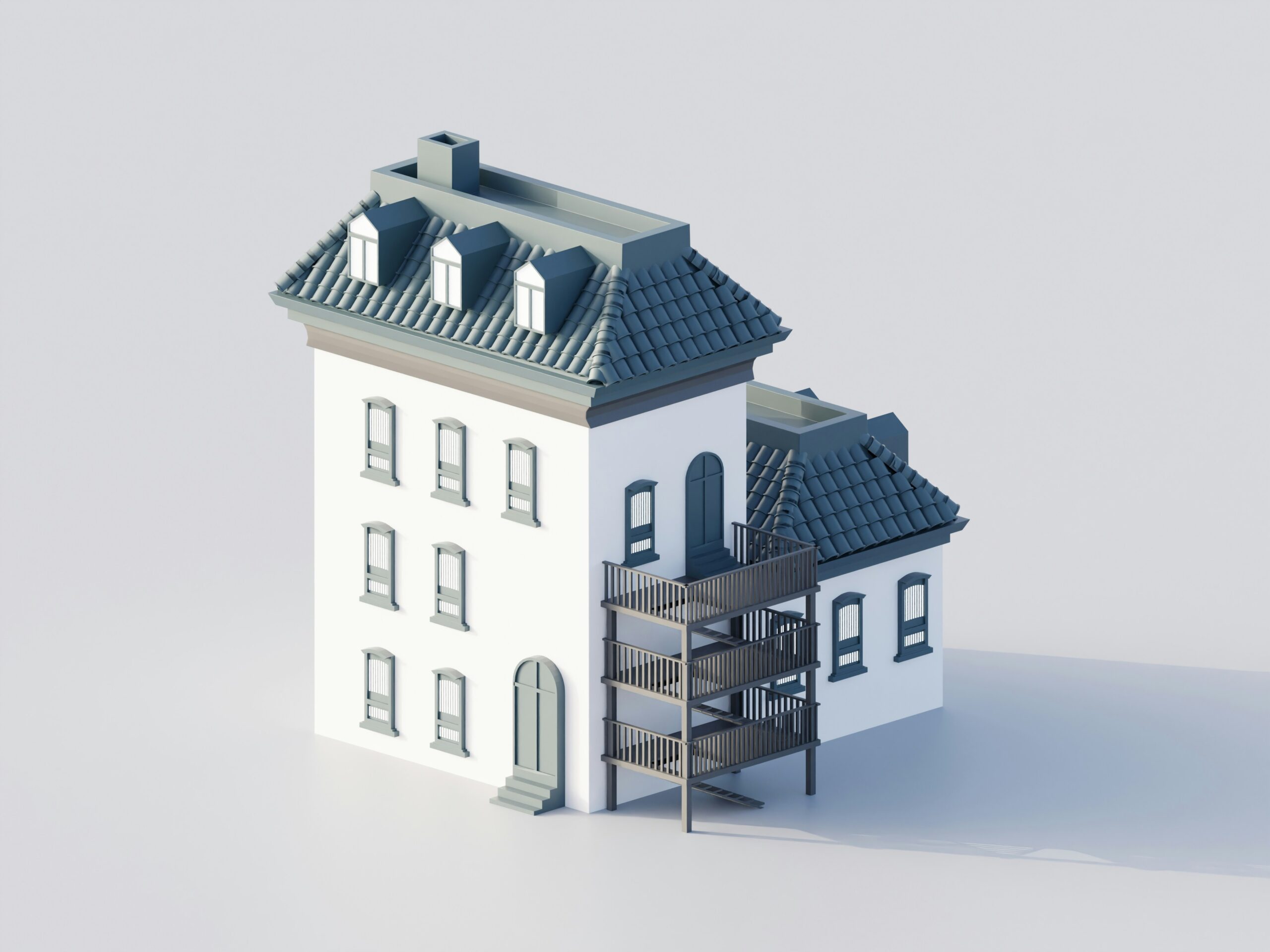
Managing a real estate development project takes planning, focus, and steady control. Each phase connects to the next. A small mistake early can lead to big delays later. When you manage a real estate development project the right way, you protect your budget, timeline, and final result. This guide explains how to do that with clear steps and simple actions.
Start With a Clear Project Vision
Every successful project begins with a clear goal. Decide what you want to build and why. This may be housing, retail space, or mixed use property. Define the size, purpose, and expected value.
Write down your goals in plain terms. Include your budget range, target market, and timeline. When you manage a real estate development project, this vision keeps everyone aligned. It also helps you make fast decisions when issues arise.
A clear vision reduces confusion and limits changes during construction.
Build a Strong Project Team Early
You cannot manage a real estate development project alone. Choose professionals with proven experience. Your team may include an architect, engineer, contractor, legal advisor, and financial planner.
Hire people who communicate well and respect deadlines. Ask for references and review past projects. Strong teamwork lowers risk and improves efficiency.
Hold regular meetings from the start. Clear roles and open communication prevent delays and errors.
Secure Financing Before You Move Forward
Funding issues can stop a project at any stage. Secure financing early and confirm all terms. Review interest rates, repayment schedules, and lender requirements.
Create a detailed cost estimate. Include land costs, permits, labor, materials, and reserves. When you manage a real estate development project, financial planning keeps progress steady.
Leave room for unexpected costs. Construction delays and price changes happen often.
Conduct Proper Site and Market Research
Research the site before final purchase. Review zoning laws, soil quality, utilities, and access roads. A weak site creates long term problems.
Study the local market. Know demand, pricing trends, and buyer needs. This helps shape design and pricing.
Good research allows you to manage a real estate development project with fewer surprises.
Plan Permits and Legal Requirements Early
Permits can slow progress if handled late. Identify all required approvals before construction starts. This may include zoning, environmental reviews, and building permits.
Work with local authorities early. Follow all rules and submit complete documents. When you manage a real estate development project, legal delays can cost time and money.
Keep copies of all approvals in one place for easy access.
Create a Realistic Project Schedule
A clear schedule keeps the project moving. Break the work into phases. Set start and end dates for each task.
Avoid tight deadlines that push quality down. Allow time for inspections and weather delays. Update the schedule often and share changes with the team.
When you manage a real estate development project, time control is just as important as cost control.
Control Costs Through Active Monitoring
Track expenses from day one. Compare actual costs to your budget weekly. Address small issues before they grow.
Approve changes in writing and confirm new costs. Avoid verbal agreements. Small changes can add up fast.
Cost control is a core skill when you manage a real estate development project.
Maintain Clear Communication at All Times
Clear communication prevents errors. Share updates with your team and investors on a regular basis. Use simple language and written summaries.
Encourage questions and quick reporting of issues. Problems that stay hidden often become expensive.
Strong communication supports better decisions and faster solutions.
Manage Risks With Simple Contingency Plans
Every project has risks. These may include labor shortages, material delays, or weather issues. Identify risks early and plan responses.
Set aside contingency funds. Prepare backup suppliers when possible. When you manage a real estate development project, planning for risk protects your schedule and budget.
Do not ignore warning signs. Act early.
Focus on Quality Control During Construction
Inspect work often. Confirm that materials meet specifications. Address defects right away.
Quality issues delay final approval and harm long term value. Work closely with inspectors and contractors.
A strong quality process helps you manage a real estate development project that meets standards and buyer expectations.
Prepare Early for Project Closeout
Project closeout takes time. Plan it before construction ends. Gather warranties, manuals, and final approvals.
Complete punch lists quickly. Resolve remaining issues without delay. When you manage a real estate development project, a smooth closeout protects your reputation.
Prepare for leasing or sales before final completion to reduce vacancy time.
Review Results and Document Lessons Learned
After completion, review the project. Compare final costs and timelines to your plan. Note what worked and what did not.
Document lessons for future projects. Continuous improvement makes each project easier to manage.
Strong reviews help you manage a real estate development project more efficiently next time.
Final Thoughts
To manage a real estate development project successfully, focus on planning, communication, and control. Keep goals clear, costs tracked, and risks managed. Simple actions done consistently lead to strong results. With the right approach, your project can stay on schedule, within budget, and ready for long term success.